LiFePO4 batteries, known as lithium iron phosphate batteries, are revolutionizing the world of energy storage. In this article, we explore the immense potential of LiFePO4 batteries as a sustainable and efficient solution. We delve into their remarkable features, including reliability, high energy density, longevity, fast-charging capabilities, and eco-friendliness.
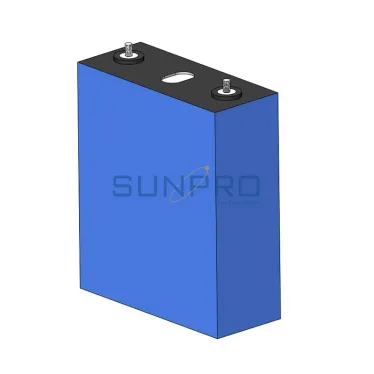
Harnessing the Potential of LiFePO4 Batteries:
1. Reliable and Safe Performance
LiFePO4 batteries are renowned for their reliability and safety. Their stable chemistry eliminates the risk of thermal runaway, ensuring a secure energy storage solution. With exceptional resistance to overcharging, overheating, and short-circuiting, LiFePO4 batteries provide peace of mind to users. This makes them ideal for critical applications like medical equipment, renewable energy systems, and backup power solutions where safety and dependability are of paramount importance.
2. Unmatched Energy Density
LiFePO4 batteries pack a punch in terms of energy density, delivering a significant amount of power in a compact and lightweight package. This high energy density empowers portable devices, electric vehicles, and renewable energy storage systems to perform optimally for extended periods. With lithium batteries, users can enjoy longer-lasting power and enhanced efficiency, transforming the way we utilize and benefit from our devices and transportation systems.
3. Longevity and Durability
LiFePO4 batteries exhibit exceptional cycle life, boasting an extended lifespan that surpasses conventional lithium-ion batteries. With a typical lifespan exceeding 2,000 charge-discharge cycles, LiFePO4 batteries offer longevity and reliability in demanding applications. This makes them an excellent choice for energy storage systems, ensuring continuous power supply for solar or wind installations and reducing maintenance and replacement costs over time.
4. Rapid Charging Capability
LiFePO4 batteries are designed to charge at an accelerated rate without compromising their performance or longevity. This fast-charging capability enhances convenience and efficiency for electric vehicle owners, reducing charging times significantly. Additionally, the ability to recharge rapidly is advantageous for renewable energy systems, allowing them to store energy more efficiently during peak generation periods and ensuring a reliable power supply during periods of high demand.
5. Eco-Friendly Solution
LiFePO4 batteries are an eco-friendly alternative to traditional lithium-ion batteries. They contain no harmful heavy metals such as cobalt, making them safer for the environment and easier to dispose of and recycle. The manufacturing process of LiFePO4 batteries also has a lower carbon footprint, resulting in reduced energy consumption and greenhouse gas emissions. By choosing LiFePO4 batteries, we contribute to a cleaner, more sustainable future and support the transition towards greener energy storage solutions.
Conclusion:
LiFePO4 Battery have emerged as a game-changer in the field of energy storage, providing a sustainable, reliable, and efficient solution. With their exceptional safety, high energy density, longevity, rapid charging capabilities, and environmental friendliness, LiFePO4 batteries are driving the transition to a cleaner and more sustainable energy landscape, powering a brighter future for all.
评论
发表评论